Many people are familiar with the concept of trauma—an emotional response to distressing or life-threatening events. But what happens when the trauma isn’t your own, yet you still feel its weight deeply? That’s where vicarious trauma comes in.
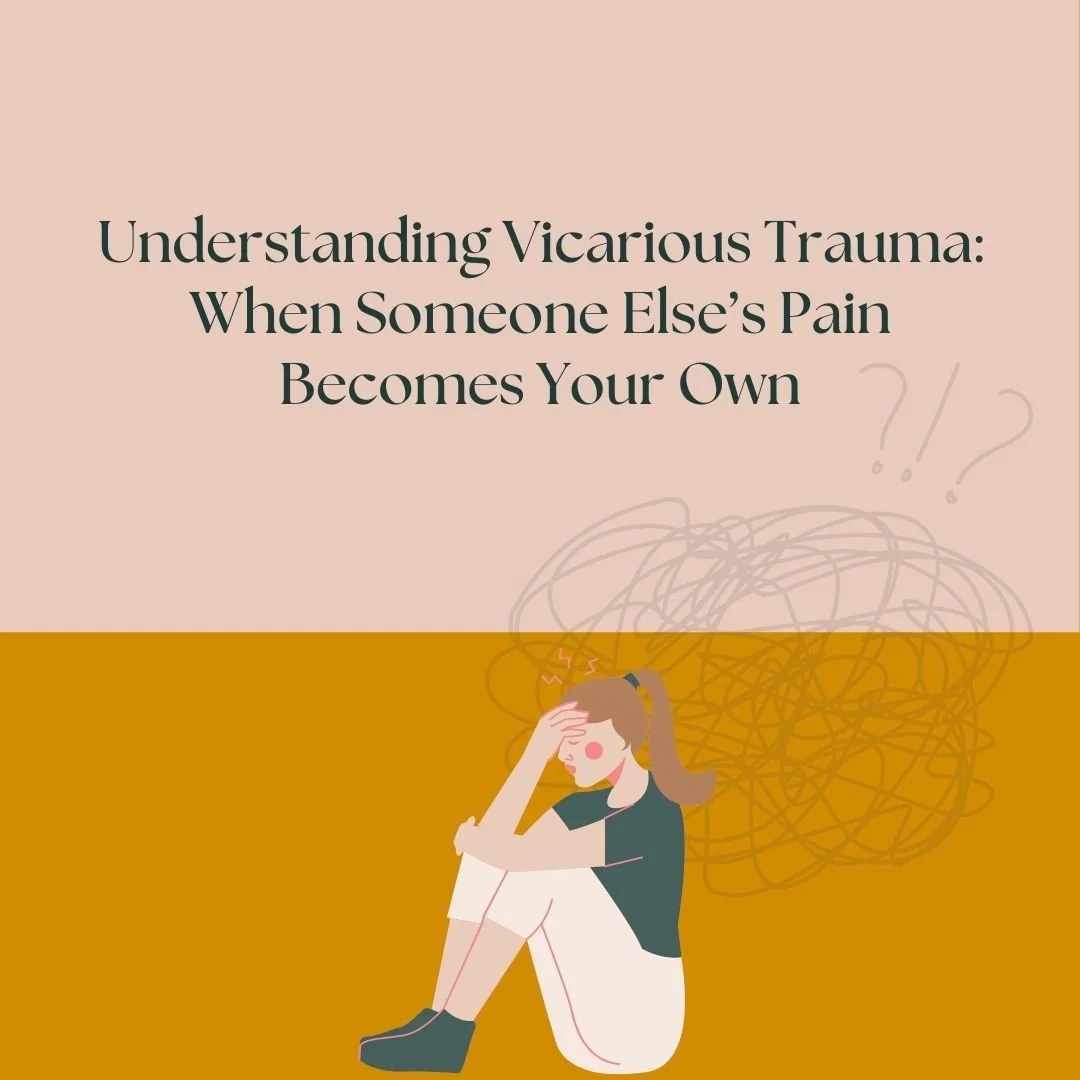
What Is Vicarious Trauma?
Vicarious trauma, also known as secondary trauma, happens when you absorb the emotional pain, stress, or trauma of others. It’s especially common among therapists, social workers, medical providers, first responders, and caregivers. Listening to repeated stories of suffering or supporting someone in crisis can begin to reshape your own worldview and emotional wellbeing.
Unlike simple empathy, which allows us to connect and care, vicarious trauma is more enduring and can change how you see safety, trust, and relationships. Over time, it can feel like the line between their pain and your pain starts to blur.
Signs You Might Be Experiencing Vicarious Trauma
Recognizing the signs is the first step to addressing it. Symptoms can include:
Emotional overwhelm or exhaustion after hearing someone’s story
Intrusive thoughts or images related to others’ trauma
Numbness or emotional detachment
Heightened irritability, anxiety, or sadness
Difficulty separating work life from personal life
Changes in worldview—feeling more cynical, fearful, or hopeless
These responses don’t mean you’re “weak.” They mean you’ve been deeply affected by showing up for others with compassion.
Why Does Vicarious Trauma Happen?
Our brains are wired for empathy. Mirror neurons allow us to feel and reflect what others are experiencing. But when we’re consistently exposed to trauma without space to recover, empathy can tip into overwhelm. In a sense, your nervous system begins to carry someone else’s experiences as if they were your own.
How to Protect Your Mental Health from Vicarious Trauma
Set clear boundaries: Compassion doesn’t mean carrying another person’s burden entirely.
Seek supervision or consultation: Talking through difficult cases helps lighten the load.
Prioritize self-care: Sleep, movement, nourishing food, and downtime are non-negotiables.
Practice grounding: Breathing exercises, mindfulness, and journaling can help you re-center.
Stay connected: Trusted peers, friends, and support groups keep you from feeling isolated.
Consider therapy: Having a safe space for your own emotions is crucial for long-term wellbeing.
Final Thoughts
Vicarious trauma is a very real—and very human—response to witnessing suffering. If you’re noticing these symptoms in yourself, know that you don’t have to carry them alone. With awareness, boundaries, and support, it’s possible to remain compassionate without losing yourself in someone else’s pain.
You might also be interested in learning a bit more about how to find comfort when healing from trauma. Click here to do just that!