Talking to Others About Depression
Talking to someone about depression can feel intimidating—but it’s one of the most powerful ways to reduce stigma and show support. Whether you’re worried about a loved one or want to start an honest conversation, approaching the topic with empathy, patience, and care can make a real difference.
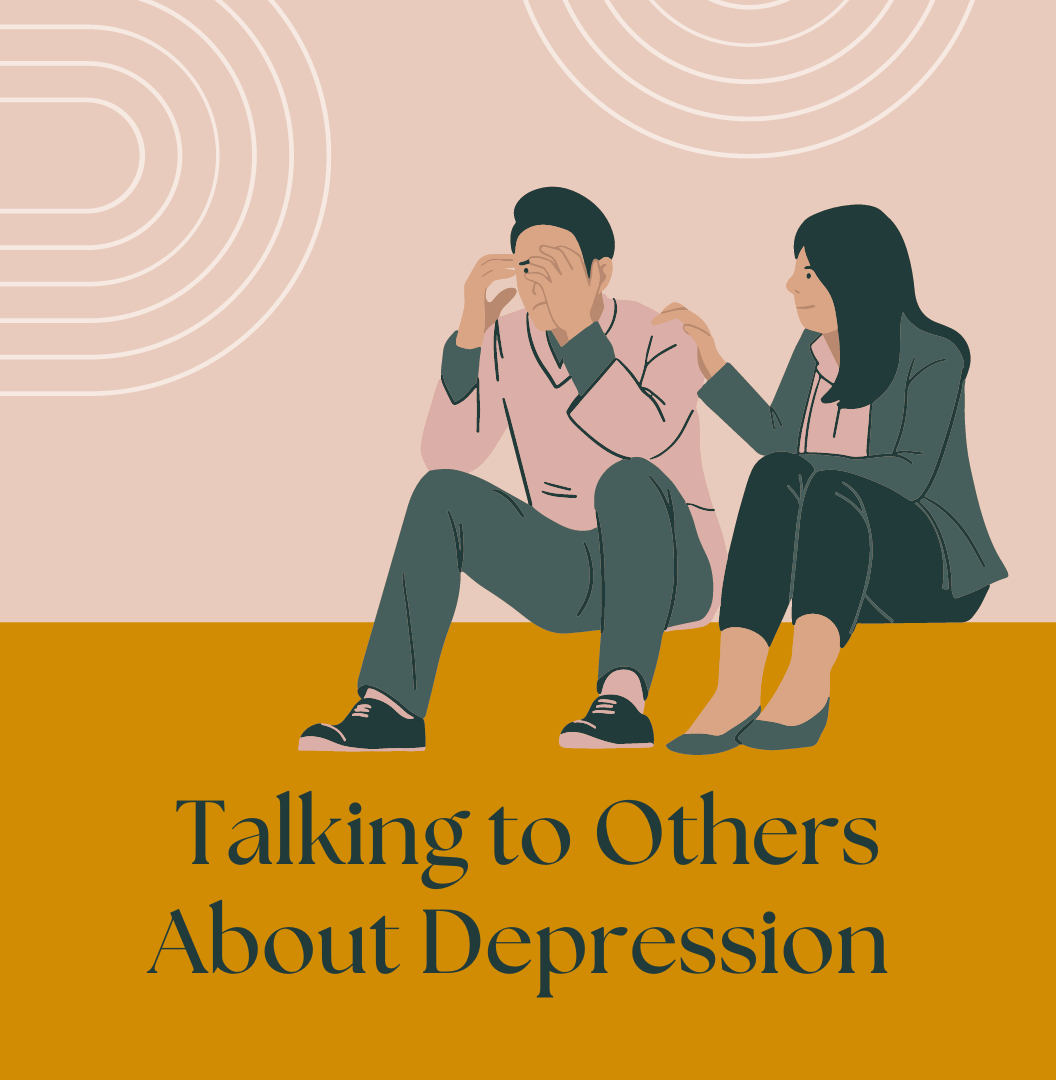
Here are some thoughtful steps for how to talk about depression in a way that promotes understanding and connection.
1. Choose the Right Time and Place
Timing matters. Look for a calm, private setting where you can speak without distractions. Choose a moment when both of you are relatively relaxed—not in the middle of a conflict or during a stressful time. A supportive environment makes it easier for someone to open up.
2. Educate Yourself About Depression
Before you initiate the conversation, take some time to learn about depression—its symptoms, causes, and treatment options. The more informed you are, the better equipped you’ll be to talk about mental health in a compassionate and nonjudgmental way.
3. Use “I” Statements to Express Concern
Using “I” statements helps prevent the other person from feeling blamed or judged. Try saying something like, “I’ve noticed you’ve seemed overwhelmed lately, and I’m really concerned about how you’re doing,” instead of “You’re acting different” or “What’s wrong with you?”
4. Practice Active Listening
When someone opens up about their mental health, they’re not always looking for immediate solutions. Focus on listening without interrupting. Reflect back what you hear and offer validation like, “That sounds really hard,” or “I’m here for you.”
5. Avoid Judgment or Minimization
Depression is a real illness—it’s not something someone can just “snap out of.” Avoid offering clichés like “Just think positive” or “Other people have it worse.” Instead, offer patience and understanding. Your support matters more than you might realize.
6. Share Mental Health Resources Gently
If it feels appropriate, you can mention options like therapy, support groups, or mental health hotlines. Offer to help them research resources or go with them to an appointment if they’re open to it. Let them know they’re not alone, and that help is available.
7. Respect Their Boundaries
Not everyone is ready to talk deeply about what they’re going through. If someone isn’t open to discussing their depression right away, don’t push. Let them know you’re there when they’re ready and follow their lead.
8. Check In Regularly
Depression doesn’t go away after one conversation. A simple message or call can be a lifeline. Let them know you’re thinking of them, even if you’re not sure what to say.
9. Take Care of Yourself, Too
Supporting someone with depression can be emotionally taxing. Make sure you’re checking in with your own needs. Whether it’s seeking support from a therapist, leaning on your own community, or simply carving out time for rest, your mental health matters, too.
Final Thoughts
Learning how to talk to someone about depression isn’t always easy—but your willingness to have the conversation can mean everything. By approaching others with compassion, understanding, and informed care, we help create a world where mental health is treated with the seriousness and support it deserves.