How to Support Someone with Anxiety: 6 Meaningful Ways to Help
Think of a time when you saw someone you care about struggling with anxiety—and you weren’t sure how to help. You’re not alone. Supporting a loved one with anxiety can feel confusing and even overwhelming, especially since everyone’s needs and triggers are different.
Whether it’s a partner, friend, or family member, here are some thoughtful, research-backed ways to support someone living with anxiety.
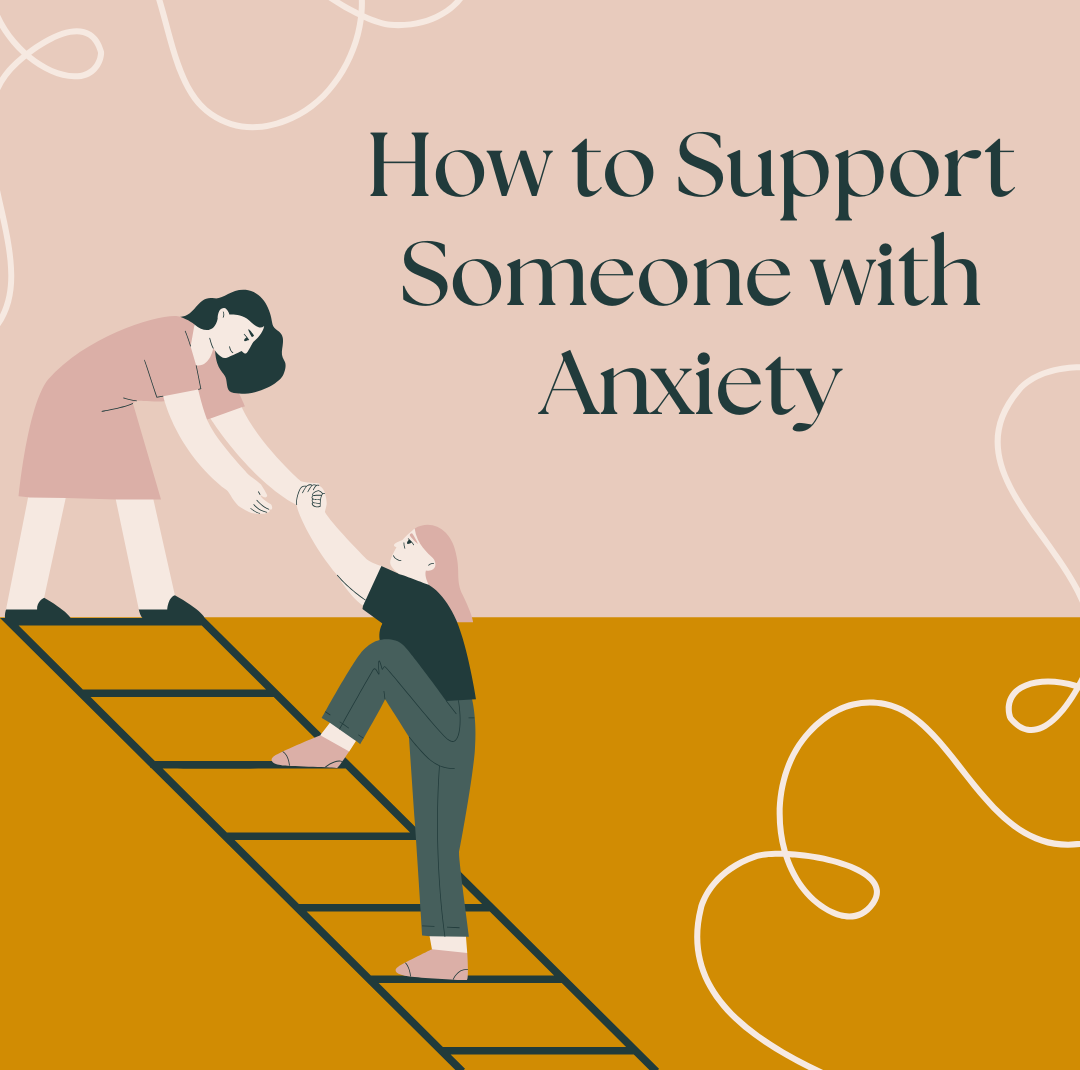
1. Be an Empathetic Listener
Sometimes the most powerful thing you can offer is your presence. When your loved one wants to talk about their anxious thoughts, listen with compassion—not solutions. Validate their feelings by being present, judgment-free, and understanding. A calm, empathetic ear goes a long way in reducing anxiety and strengthening connection.
2. Educate Yourself About Anxiety
Take time to learn what anxiety actually is, how it shows up, and the different types—like generalized anxiety disorder, social anxiety, or panic disorder. Understanding the root of what your loved one is going through helps you respond with patience, empathy, and more appropriate support.
3. Create a Safe, Supportive Environment
Anxiety can make people feel on edge or unsafe in their surroundings. One of the best ways to help is by being someone they can count on. Be patient, dependable, and non-judgmental. Just knowing you’re a calming presence can make all the difference.
4. Encourage (and Join in) Self-Care Rituals
Help your loved one prioritize self-care without pressuring them. Whether it’s going for walks, journaling, or doing a relaxing activity together, your support can motivate them to take small steps toward managing their mental health. You might even find these rituals help you, too.
5. Be Mindful of Their Triggers
Pay attention to situations, conversations, or environments that might heighten their anxiety. While it’s not always possible to eliminate all triggers, being thoughtful and avoiding unnecessary stressors shows that you care and are tuned in to their needs.
6. Celebrate Small Wins
Living with anxiety often means celebrating progress that others might overlook. If your loved one does something that felt hard—making a phone call, leaving the house, or saying how they feel—acknowledge and celebrate it. Recognizing these small victories helps reinforce their inner strength.
When to Recommend Professional Support
Sometimes anxiety becomes too much to manage alone. If your loved one seems to be struggling despite your support, gently encourage them to seek therapy. A licensed therapist can offer coping tools and support tailored to their unique needs.